Why Victoria Homes Get So Much Roof Moss (and What to Do About It)
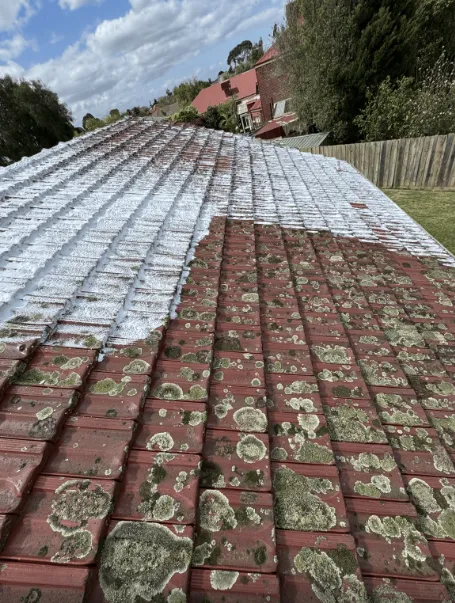
If you've lived in Victoria for more than a year, you've noticed it: rooftops covered in thick green moss, especially on the north-facing slopes of older homes. It looks bad. More importantly, it's doing real structural damage to your roof if left untreated.
Victoria's Pacific Northwest climate creates near-perfect conditions for moss. Understanding why — and what to do about it — can save you thousands in premature roof replacement costs.
Why Victoria Is a Moss Hotspot
Three factors combine to make Victoria rooftops ideal for moss growth:
- High annual rainfall. Victoria receives approximately 600–700mm of precipitation per year. Moss thrives in moist environments and actively absorbs water from rainfall and morning dew.
- Shade and cool temperatures. Many Victoria homes have mature tree canopy nearby. Shaded roof surfaces dry more slowly after rain, creating extended periods of ideal moss moisture.
- Mild winters. Unlike the rest of Canada, Victoria's winters rarely get cold enough to kill off moss growth. The mild climate means moss grows almost year-round.
The result: moss spores that would be killed by a harsh winter elsewhere simply keep growing on Victoria rooftops indefinitely.
Is Roof Moss Actually Dangerous?
Yes — and it causes damage in two specific ways that most homeowners don't realise until the damage is already done.
First, moss acts like a sponge. It retains moisture directly against your shingles. Over months and years, this trapped moisture causes shingles to lift, curl and eventually crack. Water then penetrates beneath the shingles and into the roof deck — the structure underneath — where rot can develop out of sight.
Second, moss roots (called rhizoids) physically penetrate the surface of asphalt shingles. They break down the protective granule coating on the shingle surface, accelerating UV damage and dramatically shortening the lifespan of your roof. A roof that should last 25 years may only last 15 if moss is left untreated.
When Should You Act?
The earlier the better. Thin, early-stage moss is much easier and cheaper to remove than thick, established growth. A general rule:
- Once a year for homes with mature trees nearby or predominantly shaded roofs
- Every 2 years for well-exposed roofs with good drying conditions
- Immediately if you see thick green coverage, lifted shingles, or visible roof discolouration in the satellite view of your property
Professional Moss Removal in Victoria BC
A2Z Detailing provides safe, effective roof moss removal across Greater Victoria. We use low-pressure soft wash techniques that won't damage your shingles.
Get a Free QuoteWhat Does Professional Moss Removal Involve?
The most important thing to understand about roof moss removal is that high-pressure washing is generally not appropriate for asphalt shingles. High pressure strips the granule coating off shingles — the same granules that protect against UV and weather. Done incorrectly, pressure washing can cause more damage than the moss itself.
Professional moss removal typically uses a soft wash approach:
- Low-pressure application of a biodegradable moss treatment solution
- Dwell time to kill and loosen moss at the root level
- Gentle rinsing to remove loosened debris
- Optional: application of a zinc or copper sulphate moss inhibitor to slow regrowth
For driveways, patios, and deck surfaces (concrete and wood), standard pressure washing is appropriate and very effective for removing moss and algae growth.
What About DIY?
DIY moss treatment is possible — commercial moss killer solutions are available at most Victoria hardware stores. The risk is two-fold: working on a wet, mossy roof is genuinely dangerous, and incorrect application or pressure washing can accelerate shingle damage. For most homeowners, professional removal is the safer and more cost-effective choice when you factor in the risk of a fall or accidental damage.
Questions about your specific roof or property? Contact A2Z Detailing — we're happy to give a no-obligation assessment before quoting any work.